
Health and Nutrition
Chaupal improves health and nutrition in northern Chhattisgarh, addressing malnutrition, maternal care, and healthcare gaps for vulnerable tribal families.
Northern Chhattisgarh, particularly districts such as Surguja and Surajpur, faces persistent challenges related to malnutrition, maternal health, and limited access to healthcare services. Nutrition plays a critical role in the first 1,000 days of a child’s life, influencing brain development, physical growth, and long-term health outcomes. However, in many remote Adivasi villages, children between seven months and three years are highly vulnerable to malnutrition due to poverty, food insecurity, geographical isolation, lack of awareness on infant and young child feeding practices, and limited access to health services. Many parents migrate or travel for daily wage work, leaving young children in the care of older siblings or elderly family members, which further affects their nutrition, care, and development. According to NFHS-5, in Surguja district 29.4% of children under five are stunted, 17.5% are wasted, 7.6% severely wasted, and 30.6% underweight—highlighting the urgency of community-based interventions.
Access to healthcare services is another major challenge. In remote tribal areas, health facilities are often distant and understaffed, leading communities to depend on unregistered practitioners and informal healthcare providers. Preventive healthcare services, early diagnosis, and management of diseases remain limited. At the same time, the region also faces a growing burden of chronic conditions such as sickle cell anemia and other non-communicable diseases, which require continuous care and specialized services that are not easily accessible in tribal settings.
Chaupal addresses these vulnerabilities through integrated health and nutrition initiatives across northern Chhattisgarh.
Projects
Gender, Health and Nutrition Project
Supported by the TDH/BMZ mission, this project is a collaborative initiative of Public Health Resource Society and Chaupal aimed at strengthening the health and nutrition status of children, adolescent girls, youth and women from marginalized households in Chhattisgarh. The project places special emphasis on Adivasi and Particularly Vulnerable Tribal Group (PVTG) communities, who often face significant barriers in accessing essential health and nutrition services.
The initiative is currently being implemented in 100 villages of Lundra and Lakhanpur blocks of Surguja district, reaching some of the most underserved populations in the region. Through community engagement, capacity building, and efforts to improve access to public health and nutrition services, the project works to bring sustainable improvements in maternal and child health outcomes among vulnerable communities. In addition to it we have been running 20 creches to support around 300 children with nutritious food, health and nutrition services and early childhood development support.
Community Health Project
With the financial support of the Association of Indian Development (AID), Chaupal is implementing a community health intervention in six Gram Panchayats of Lundra block in Surguja district, Chhattisgarh. The project covers ~1500 households from Pahadi Korwa (A PVTG community) across 35 hamlets, many of which are in remote and hard-to-reach areas with limited access to basic infrastructure such as all-weather roads and electricity.
Due to the lack of accessible and reliable health services, many community members depend on unregistered practitioners and informal healthcare providers. To address this gap, the project focuses on improving access to basic healthcare services, community awareness, and health support systems for these vulnerable tribal communities.
Rural Creche Project
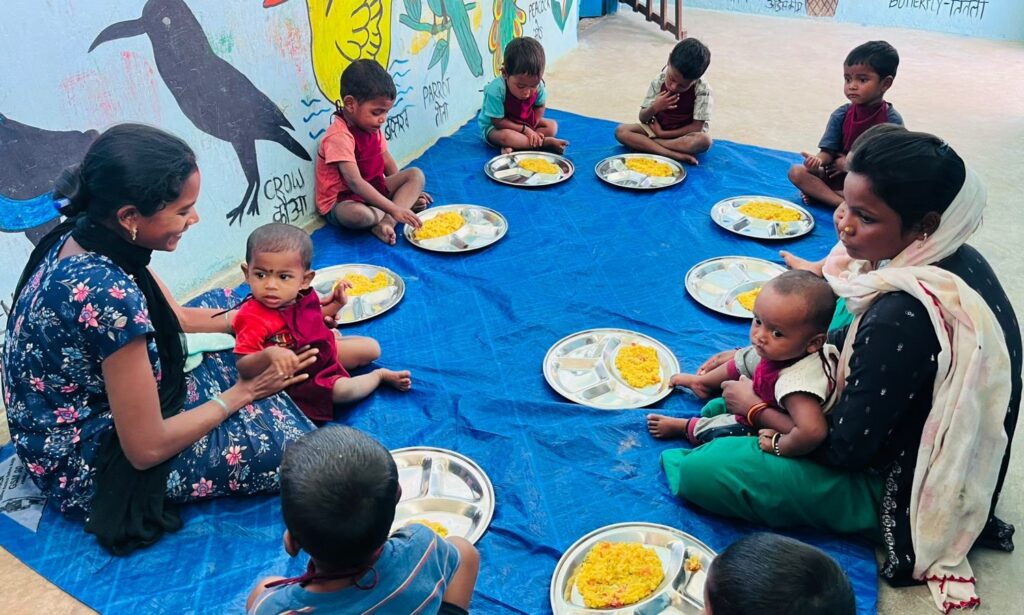
To address the problem of child malnutrition leading to child growth hindering and child mortality, Azim Premji Foundation is implementing rural creche program across Chhattisgarh state. Chaupal is proud partner in the rural creche initiative since 2023 that seeks to improve the nutritional status of very vulnerable children in the age group of seven months to three years. The key objectives of this initiative include Ensuring access to safe spaces for children, providing them with three nutritious meals, including an egg, every day, Identifying and addressing children with malnutrition through health referrals and regular follow-ups. A creche has many benefits for communities, including increased livelihood opportunities for young mothers, greater access to entitlements and better health outcomes for children. Here the parents who go to work leave their children behind for care. In the run-up to the childcare centre, children are provided with day care for six days every week.
Currently we are working with ~1700 children in the age group of seven months to three years by operating 118 rural creches in Sarguja district. More than 1000 healthy children have graduated from our creches since start of the program. In creche children are given four meals a day for six days a week, regularly screened for identification of malnutrition, their water and sanitation related requirements taken care of and they were provided with day care services and early childhood development opportunities to assist them in attaining milestones. To ensure the regular enrolment and participation of children in the rural creches we have undertaken initiatives such as formation of creche committees in every village where the members meet every month to improve the operations of creches. Committee members include the parents of children, active community members and staff of the creches.
NCD Pen Plus Project
The PEN Plus initiative focuses on strengthening services for complex chronic non-communicable diseases such as sickle cell anaemia, Type 1 diabetes, and congenital and rheumatic heart disease in government healthcare facilities in Surguja and Surajpur districts of Chhattisgarh. Implemented by Chaupal in collaboration with the Government of Chhattisgarh, the project supports services at 2 district hospitals and 10 Community Health Centres (CHCs) to integrate care for these conditions within the public health system. Key interventions include:
- Training and mentoring healthcare personnel
- Developing simple treatment guides for frontline providers
- Deploying care coordinators to help patients navigate the health system
- Facilitating patient peer-support groups
- Organizing platforms such as the Surguja Sickle Cell Jan Swasthya Sammelan, which brings together patients, communities, and healthcare providers to strengthen awareness and collaboration.